
You’ve been lied to about saturated fat.
For over 40 years, we’ve been told that butter clogs arteries, red meat causes heart attacks, and we should replace animal fats with “heart-healthy” vegetable oils.
But here’s what actually happened when researchers dug up buried studies and analysed modern data: the entire foundation of anti-fat dietary advice crumbled.
If you’re following a ketogenic or carnivore diet whilst travelling the world, this is excellent news. Those fatty ribeyes in Argentina? The butter-laden seafood in France? That crispy pork belly in Thailand?
Science says: dig in.
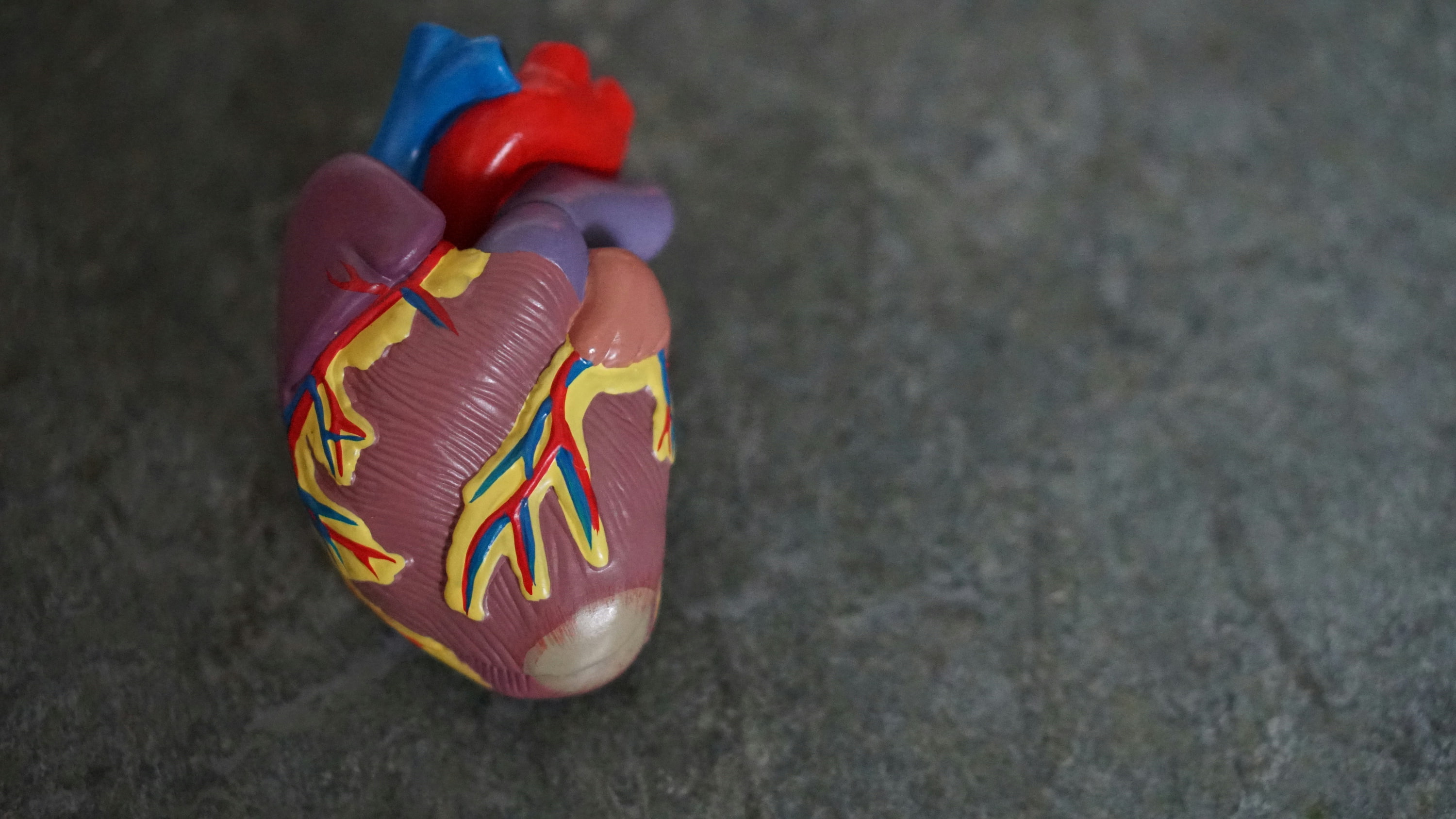
Quick Facts: The Fat Verdict
MYTH: Saturated fat clogs your arteries TRUTH: The British Journal of Sports Medicine called this “just plain wrong” - atherosclerosis is inflammatory, not mechanical
MYTH: Vegetable oils are healthier than butter TRUTH: Industrial seed oils undergo harsh chemical processing and create inflammatory compounds when heated
MYTH: Low-fat diets prevent heart disease TRUTH: The largest studies show no benefit - and possibly harm - from restricting saturated fat
Why We Feared Fat: The Ancel Keys Story
The war on saturated fat started with one persuasive scientist and a hypothesis that became gospel.
Ancel Keys launched his Seven Countries Study in 1958. He examined over 12,000 men and found correlations between saturated fat intake and heart disease deaths. The American Heart Association ran with it. Dietary guidelines followed. An entire generation grew up believing fat was poison.
But there were problems.
The Cherry-Picking Scandal
Critics discovered Keys had data from 22 countries but only published results from seven. When all countries were included, the correlation weakened dramatically.
France had high saturated fat intake but low heart disease (the “French Paradox”). Switzerland loved their cheese but had healthy hearts. Keys excluded them.
Even more damaging? When researchers analysed sugar consumption in the same data, it correlated more strongly with heart disease than saturated fat. That finding was largely ignored.
The Buried Evidence
Here’s where it gets truly scandalous.
The Minnesota Coronary Experiment (1968-1973) was the largest trial ever designed to test whether replacing saturated fat with vegetable oils would prevent heart disease. Over 9,400 participants swapped butter for corn oil margarine.
The results?
Cholesterol dropped 14%. But there was no reduction in heart attacks. In fact, there was a trend toward higher death rates in the vegetable oil group.
The lead researcher reportedly “sat on the results for 16 years” because they contradicted the hypothesis. The full data wasn’t published until 2016 - after decades of low-fat dietary advice had already shaped public health policy.
Is Saturated Fat Bad for You? What Modern Studies Really Show
Let’s look at what the largest, most rigorous modern studies actually found.
The PURE Study Changes Everything
The Prospective Urban Rural Epidemiology (PURE) study followed 135,000 people across 18 countries for over seven years. This wasn’t a small, cherry-picked sample.
The results shocked the nutrition establishment:
- No association between saturated fat and cardiovascular disease
- Saturated fat actually showed protective effects against stroke
- Higher total fat intake was linked to lower mortality
Meta-Analyses Confirm: We Got It Wrong
Multiple systematic reviews reached the same conclusion.
The 2010 Siri-Tarino analysis examined 21 studies with nearly 350,000 participants. Their finding? “No significant evidence for concluding that dietary saturated fat is associated with increased risk of coronary heart disease.”
The 2014 Chowdhury meta-analysis faced fierce criticism from the nutrition establishment. Why? Because it dared to conclude that saturated fats showed no association with heart disease risk.
Even the prestigious Cochrane Reviews - known for their rigorous methodology - found only tiny benefits when saturated fat was replaced with polyunsaturated fats. We’re talking less than 0.4% absolute risk reduction.
Reality Check: The most comprehensive analyses from 2023-2024 state clearly: “The findings indicate that a reduction in saturated fats cannot be recommended at present to prevent cardiovascular diseases.”
Yes, But What About…?
To be fair, some studies do show modest benefits when saturated fat is replaced with polyunsaturated fats from whole food sources like fish and nuts.
The key word? Modest. And these benefits completely disappear when saturated fat is replaced with carbohydrates or processed foods.
The Truth About Cholesterol and Heart Health
“But won’t all that fat raise my cholesterol?”
Yes, it might. But here’s what your doctor might not tell you:
Not All LDL Is Created Equal
Saturated fat primarily increases large, fluffy LDL particles. These bounce harmlessly off artery walls like beach balls.
The real villains? Small, dense LDL particles that penetrate arterial walls and cause damage. These are primarily increased by sugar and refined carbohydrates, not saturated fat.
Standard cholesterol tests don’t distinguish between the two. You could have high cholesterol from protective large particles and be told you’re at risk.
The HDL Factor
Saturated fat reliably increases HDL (the “good” cholesterol). This is particularly pronounced on ketogenic diets.
Higher HDL is strongly protective against heart disease. Yet we’ve been avoiding the very foods that raise it.
Triglycerides Tell the Real Story
Want to know your actual cardiovascular risk? Look at your triglycerides.
High-carb diets spike triglycerides. High-fat, low-carb diets slash them. It’s that simple.
The triglyceride-to-HDL ratio is one of the best predictors of heart disease risk. Ketogenic diets consistently improve this ratio whilst high-carb, low-fat diets worsen it.
Animal Fats vs Seed Oils: The Processing Problem
Let’s compare how these fats are actually made.
How Animal Fats Are Produced
Butter: Cream. Churn. Done.
Lard: Render pork fat with gentle heat.
Tallow: Render beef fat with gentle heat.
That’s it. Minimal processing, no chemicals, stable at room temperature.
How Industrial Seed Oils Are Made
Canola oil production reads like a chemistry experiment:
- Extract oil using hexane (a petroleum product)
- Heat to 350°C
- Add chemical deodorizers
- Bleach to remove colour
- Add synthetic antioxidants to prevent rancidity
This harsh processing strips natural antioxidants and creates unstable oils prone to oxidation.
Travel Tip: In most countries, traditionally-cooked street food uses animal fats or coconut oil. It’s the Western-style restaurants that load everything with seed oils.
The Oxidation Problem
When you heat polyunsaturated seed oils, they produce toxic compounds called aldehydes. These inflammatory molecules are linked to numerous diseases.
Animal fats? They’re mostly saturated, making them stable when heated. Your great-grandmother was right to cook with lard.
The Omega-6 Overload
Modern diets contain omega-6 to omega-3 ratios of 20:1. Our ancestors consumed ratios closer to 4:1.
Where’s all that omega-6 coming from? Seed oils.
This imbalance drives chronic inflammation throughout the body. Studies show oxidised omega-6 metabolites at 50-fold higher concentrations than other inflammatory compounds in human tissue.
Healthy Fats for Keto and Carnivore Diets
When you’re in ketosis, saturated fat isn’t just safe - it’s optimal.
Why Saturated Fat Works in Ketosis
In a high-carb diet, insulin levels spike and crash. Fat gets stored, not burned.
In ketosis? Different story entirely.
Low insulin levels mean your body efficiently burns fat for fuel. Saturated fats provide stable energy without triggering inflammatory pathways.
Research comparing different fats in ketogenic diets found saturated fats produced:
- Better weight loss
- Higher ketone levels
- Improved insulin sensitivity
- Better appetite control
The Satiety Advantage
Fat triggers cholecystokinin (CCK) release, your body’s satiety hormone.
This means you stay full longer. No mid-flight hunger pangs. No desperate airport food court visits. No energy crashes during long travel days.
For travellers, this metabolic flexibility is gold.
Practical Benefits for Keto Travellers
Fatty cuts of meat are available everywhere. They’re often cheaper than lean cuts. They travel well without refrigeration (think: cured meats, aged cheeses).
Most importantly? They keep you satisfied when meal timing gets chaotic.
Common Myths About Saturated Fat (Busted)
Myth: “Saturated fat clogs your arteries like grease in a pipe”
Reality: A 2017 editorial in the British Journal of Sports Medicine declared this concept “just plain wrong.”
Atherosclerosis involves complex inflammatory processes, immune responses, and oxidative stress. It’s not fat sticking to your artery walls like bacon grease in a drain.
Myth: “Butter is worse than margarine”
Reality: There’s no good evidence margarine reduces heart attacks compared to butter.
Old stick margarines with trans fats were definitively worse than butter. Modern margarines vary wildly in quality. Meanwhile, grass-fed butter provides vitamins A, D, E, K2, and beneficial fatty acids like CLA.
Myth: “Lower cholesterol is always better”
Reality: Studies show increased mortality with cholesterol levels below 180 mg/dL.
Some cholesterol elevation may actually be protective, especially in older adults. The obsession with driving cholesterol as low as possible lacks scientific support.
Keto Travel Tips: Finding Quality Fats Globally
Europe
- Northern Europe: Excellent grass-fed dairy and beef
- Mediterranean: Quality olive oil, fatty fish
- Eastern Europe: Traditional animal fats still common
Asia
- Southeast Asia: Coconut-based cooking prevalent
- Japan: Fatty fish, less seed oil usage
- India: Ghee widely available
Americas
- Argentina: World-class grass-fed beef
- Mexico: Traditional lard still used
- USA/Canada: Widest selection of specialty products
Practical Strategies
At restaurants: Ask for grilled or roasted (not fried). Request butter instead of margarine. Choose fattier cuts.
At markets: Seek traditional butchers. Buy rendered fats. Stock up on hard cheeses and cured meats.
Emergency foods: Macadamia nuts, aged cheese, dark chocolate (85%+), and tinned sardines travel well.
The Bottom Line: Embracing Fat on Your Keto Journey
The science is clear: saturated animal fats aren’t the enemy.
Forty years of low-fat dietary advice hasn’t made us healthier. It’s made us sicker, fatter, and more metabolically broken.
For keto and carnivore dieters, this is liberating. You don’t need to fear the ribeye. You don’t need to trim the fat. You don’t need to feel guilty about butter.
What you’re doing - eating whole, minimally processed animal foods - aligns with what humans have done for millions of years. It’s the industrial seed oils and processed carbohydrates that are the evolutionary mismatch.
Yes, some researchers still defend the anti-saturated fat position. They point to older studies, worry about “bad” cholesterol, and recommend vegetable oils. But the weight of modern evidence has shifted decisively.
The next time someone warns you about all that fat you’re eating, you can smile and know the science is on your side.
Travel well. Eat fat. Thrive.
Bibliography: The Science Behind Animal Fats
Historical Context & The Diet-Heart Hypothesis
-
A short history of saturated fat: the making and unmaking of a scientific consensus - PMC
- Comprehensive review of how the saturated fat hypothesis developed and later unraveled
-
Seven Countries Study - Wikipedia
- Overview of Ancel Keys’ landmark study and its methodology
-
Ancel Keys – Seven Countries Study
- Official Seven Countries Study website with investigator information
-
Seven Countries Study White Paper - True Health Initiative
- Detailed analysis of the Seven Countries Study methodology and findings
-
Keys’ Scientific Abandon - CrossFit
- Critical analysis of methodological issues in Keys’ research
-
Big fat controversy: changing opinions about saturated fats – AOCS
- Industry perspective on the evolving saturated fat debate
-
Pulling Ancel Keys Out from Under the Bus - OLDWAYS
- Defense of Keys’ contributions to nutrition science
Major Clinical Studies
Minnesota Coronary Experiment
-
- Full text of the recovered Minnesota Coronary Experiment data
-
Re-evaluation of the traditional diet-heart hypothesis - PubMed
- PubMed abstract of the Minnesota Coronary Experiment re-analysis
-
Records Found in Dusty Basement Undermine Decades of Dietary Advice | Scientific American
- Popular science coverage of the Minnesota Coronary Experiment discovery
-
The heretical Minnesota heart study: When science stops asking questions – Chicago Tribune
- Investigative journalism on the suppression of study results
PURE Study
-
- PURE study showing no association between saturated fat and CVD
-
- Full article access via ScienceDirect
Meta-Analyses & Systematic Reviews
-
- Siri-Tarino 2010 meta-analysis finding no association
-
Meta-analysis of prospective cohort studies evaluating saturated fat - PubMed
- PubMed abstract of Siri-Tarino analysis
-
Reduction in saturated fat intake for cardiovascular disease - PubMed
- Cochrane Review on saturated fat reduction
-
- Recent comprehensive meta-analysis questioning fat restriction
-
- 2024 umbrella review of all systematic reviews
Lipid Science & Metabolism
-
Saturated Fats and Health: A Reassessment - JACC
- Journal of the American College of Cardiology state-of-the-art review
-
- Review of how different fats affect LDL particle size
-
Dietary Saturated Fat Is Associated with Larger LDL Particle Size - ScienceDirect
- Framingham Offspring Study on saturated fat and LDL particles
-
The effects of fat consumption on LDL particle size - PMC
- Full text review of LDL particle size effects
-
Dietary Saturated Fat and Reduced CVD Risk in Framingham Study - PMC
- Evidence of protective effects from Framingham data
Insulin & Fat Metabolism
-
The role of fatty acids in insulin resistance - Lipids in Health and Disease
- Mechanisms of fatty acid effects on insulin sensitivity
-
Insulin Inhibits Lipolysis in Adipocytes - PMC
- Molecular mechanisms of insulin’s effect on fat metabolism
-
The physiology and pharmacology of adipose tissue lipolysis - Diabetologia
- Comprehensive review of fat cell metabolism
-
Saturated Fatty Acids and Risk of Coronary Heart Disease: Modulation by Replacement Nutrients - PMC
- Importance of what replaces saturated fat in the diet
Industrial Seed Oils & Processing
-
Understanding Hexane Extraction of Vegetable Oils - Anderson International
- Industrial process for extracting seed oils
-
Seed Oil Extraction Using Hexane Solvent - Maratek
- Technical details of hexane extraction
-
Oil and Oilseed Processing II - Oklahoma State University
- Academic overview of oil processing methods
-
Seed oils vs. butter and other animal fats - TODAY
- Popular media coverage of the debate
-
Processing Edible Oils - Penn State Extension
- Educational resource on oil processing
Oxidative Stability & Cooking
-
Cooking Oil and Oxidative Stability - Colavita
- Analysis of oil stability during cooking
-
Oils For Cooking: Which Ones Should You Avoid? - Health Sciences Academy
- Practical guide to cooking oil selection
Omega-6/Omega-3 Ratio & Inflammation
-
The Importance of Maintaining a Low Omega-6/Omega-3 Ratio - PMC
- Impact on autoimmune diseases, asthma, and allergies
-
What is a healthy ratio of omega-6 to omega-3? - GB Health Watch
- Educational resource on fatty acid ratios
-
Importance of maintaining a low omega-6/omega-3 ratio for reducing inflammation - PMC
- Mechanisms of inflammation from fatty acid imbalance
Saturated Fats: Recent Perspectives
- Saturated Fats: Time to Assess Their Beneficial Role in a Healthful Diet - MDPI
- Recent review arguing for benefits of saturated fats
Ketogenic Diet Research
-
Differential metabolic effects of saturated versus polyunsaturated fats in ketogenic diets - PubMed
- How different fats perform in ketogenic contexts
-
Differential Metabolic Effects in Ketogenic Diets - Oxford Academic
- Full text comparing fat types in ketosis
Satiety & Appetite Control
-
Gastrointestinal satiety signals II. Cholecystokinin - American Physiological Society
- Mechanisms of fat-induced satiety
-
- Overview of the satiety hormone CCK
-
Cholecystokinin-induced satiety - PMC
- How dietary fats trigger satiety signals
Historical Context
- A short history of saturated fat - PubMed
- Timeline of the scientific consensus evolution
Photo by Robina Weermeijer on Unsplash