
Lamb and mutton emerge as nutritional champions for ketogenic and carnivore dieters, delivering the highest CLA content among all meats, exceptional omega-3 levels for land animals, and complete zero-carb macronutrient profiles that perfectly support ketosis. Recent peer-reviewed research reveals these often-overlooked proteins provide superior fatty acid compositions, unmatched mineral density, and unique bioactive compounds that can significantly enhance the effectiveness of low-carb dietary approaches.
While mainstream nutrition focuses on chicken and beef, cutting-edge metabolomics research shows lamb offers distinct advantages for weight management, metabolic health, and nutrient bioavailability. From the grass-fed pastures of New Zealand to your local butcher, lamb represents one of nature’s most complete carnivore foods. Here’s what the science reveals about why lamb deserves a prominent place in your keto meal rotation.
Key Takeaway: Lamb provides the highest CLA content of any meat (4-19mg per gram of fat), exceptional omega-3 levels for land animals, and complete zero-carb nutrition that perfectly supports ketosis and carnivore dietary goals.
The nutritional science behind lamb’s superiority
Lamb delivers an impressive macronutrient profile that aligns perfectly with ketogenic requirements. A 100-gram serving of cooked lamb contains 24.5-28.4g of complete protein, 13-29g of high-quality fats, and exactly zero carbohydrates. Mutton takes protein density even further, providing 34.3g of protein per 100g serving, making it particularly valuable for carnivore dieters prioritizing protein intake.
The fat composition sets lamb apart from conventional proteins. Where most meats contain modest amounts of beneficial fatty acids, lamb delivers 4-19mg of conjugated linoleic acid (CLA) per gram of fat, the highest concentration among all commonly consumed meats. Beef contains only 1.2-4mg per gram of fat, while pork and poultry provide less than 1mg. This dramatic difference translates to real metabolic advantages for low-carb dieters.
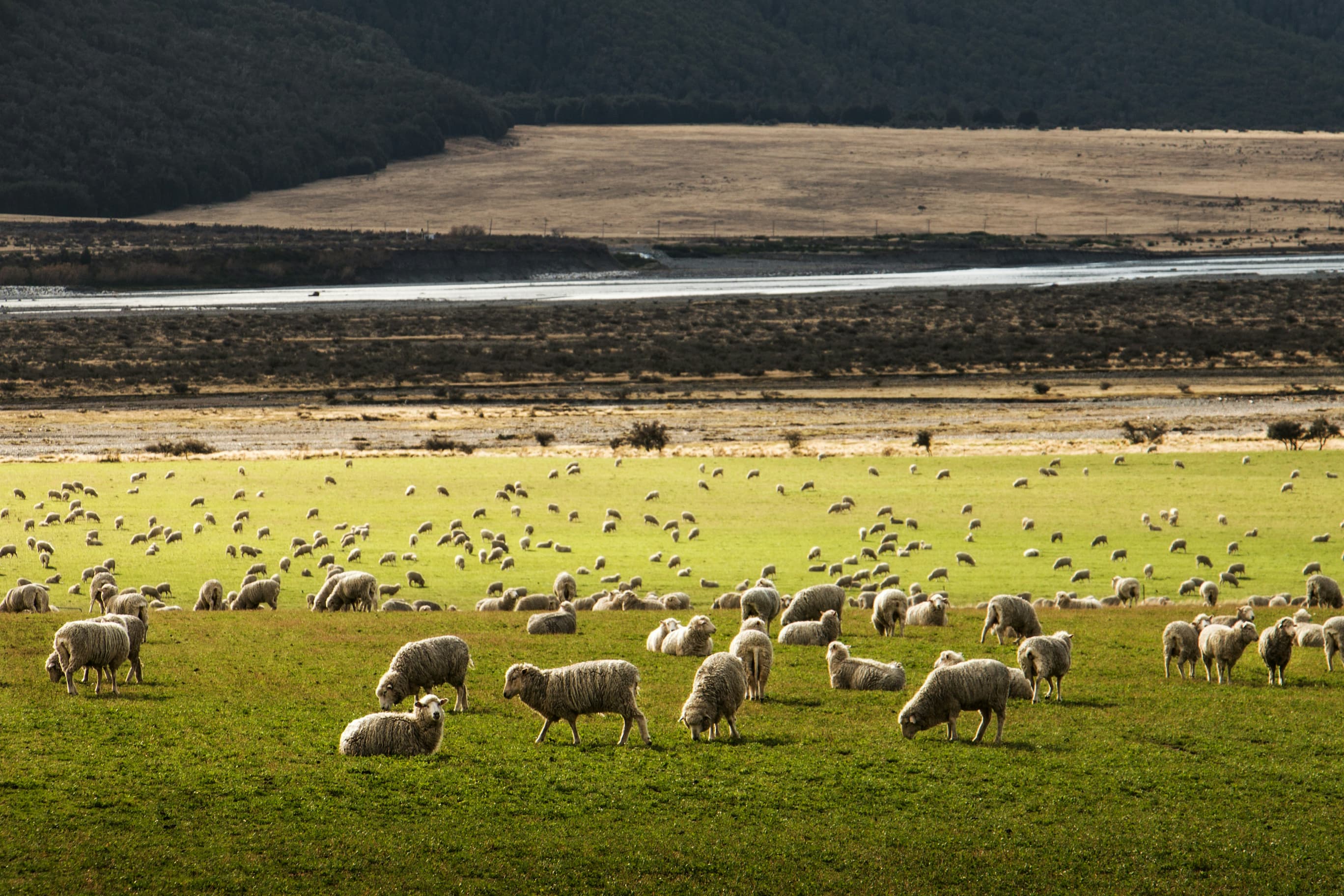
Grass-fed lamb elevates these benefits substantially, containing 190-580mg of omega-3 fatty acids per 100g serving. This rivals some fish species and dramatically outperforms other land animals. The omega-6 to omega-3 ratio in quality grass-fed lamb approaches an optimal 1:1 ratio, compared to the inflammatory 16:1 ratios found in grain-fed alternatives.
Mineral density that supports ketogenic adaptation
Beyond macronutrients, lamb provides exceptional micronutrient density that addresses common deficiencies in ketogenic dieters. A 100g serving delivers 51% of daily zinc requirements, 44% of selenium needs, and 38% of vitamin B12 requirements. These minerals support immune function, thyroid health, and energy metabolism, all critical during keto adaptation. For travelers concerned about immune resilience while on keto, lamb’s nutrient density becomes particularly valuable.
The heme iron in lamb provides 15-35% bioavailability compared to just 10-15% from plant sources. This becomes particularly important for carnivore dieters who eliminate plant foods entirely. Lamb also contains significant amounts of naturally occurring creatine (300-500mg per 100g), L-carnosine (400mg per 100g), and glutathione, compounds that support muscle function and cellular health.
Research-backed metabolic benefits
Multiple randomized controlled trials demonstrate CLA’s effectiveness for weight management. A comprehensive meta-analysis in the American Journal of Clinical Nutrition analyzing multiple studies showed statistically significant weight loss of 0.70kg compared to placebo groups. The optimal dose of 3.2g daily produces consistent fat loss effects for up to six months.
CLA works through several mechanisms that align perfectly with ketogenic metabolism. It increases lipolysis while reducing fatty acid accumulation in adipose tissue, raises UCP-1 expression for enhanced thermogenesis, and interacts with PPARγ receptors to improve metabolic flexibility. For keto dieters, this means lamb consumption can actively support the fat-burning state they’re working to achieve.
The complete amino acid profile in lamb provides additional metabolic advantages. High leucine and lysine content offers exclusively ketogenic amino acids that can convert directly to ketone bodies. This makes lamb particularly valuable during the initial stages of ketogenic adaptation when the body is learning to efficiently produce and utilize ketones. For more insights on keto adaptation challenges, explore our comprehensive guide.
How lamb compares to other popular keto proteins
When evaluating cost per gram of protein, lamb commands a premium at $0.06-0.08 compared to chicken’s $0.02-0.03 and ground beef’s $0.04. However, the nutritional return on investment justifies this difference for many keto practitioners.
Lamb provides 129% more zinc than chicken, 49% more iron, and dramatically higher omega-3 content. While salmon offers superior total omega-3 levels at 1,500mg per 100g, it costs $0.07-0.12 per gram of protein and lacks the CLA benefits entirely. The unique combination of terrestrial convenience, CLA content, and omega-3 density makes lamb particularly valuable for keto dieters seeking variety beyond conventional proteins.
Satiety research shows lamb performs exceptionally well due to its higher fat content and slower digestion rate. The fat-to-protein ratio of approximately 0.85:1 creates optimal macronutrient balance for sustained ketosis while triggering satiety hormones like CCK and GLP-1 more effectively than leaner proteins.
The grass-fed advantage transforms nutritional profiles
Grass-fed lamb contains 2-4 times more omega-3 fatty acids than grain-fed alternatives, with some cuts showing omega-6 to omega-3 ratios as low as 1.5:1. This approaches the anti-inflammatory ratios our ancestors consumed, compared to the 7-35:1 ratios typical in grain-fed meat.
The CLA advantage becomes even more pronounced in grass-fed animals, which produce 2-3 times higher concentrations than grain-fed sheep. Grass-fed lamb also contains 3 times more vitamin E, higher carotenoid content, and superior antioxidant profiles including elevated glutathione and superoxide dismutase activity.
A randomized, double-blind study published in the British Journal of Nutrition followed 20 subjects consuming grass-fed versus grain-fed lamb and beef for four weeks. The grass-fed group showed significantly higher plasma and platelet omega-3 concentrations, demonstrating that the nutritional advantages translate to measurable improvements in human biomarkers.
Traditional preparations perfect for carnivore travel
New Zealand and Australia offer unparalleled opportunities to experience world-class lamb in its countries of origin. Canterbury Plains, located just 45 minutes from Christchurch, provides authentic farm experiences where visitors can observe traditional sheep farming practices and sample lamb raised on diverse pastures containing native grasses, legumes, and herbs.
Central Otago, situated 350km from Christchurch, specializes in high-country lamb raised at elevation. The stress-free environment and diverse alpine vegetation create lamb with exceptional flavor profiles and nutritional density. Walter Peak High Country Farm, accessible via the historic TSS Earnslaw steamship from Queenstown, offers comprehensive farm tours combined with traditional New Zealand lamb preparations.
Traditional cooking methods in both countries align perfectly with carnivore dietary principles. Slow-roasted leg of lamb with rosemary and garlic requires no modification for keto compliance. Rack of lamb grilled over open coals provides maximum nutrient retention while creating the satisfying flavors that make long-term dietary adherence sustainable. Learn more about handling social pressure while dining out on your keto journey.
Australian lamb regions like Yarra Valley (60km from Melbourne) and the Fleurieu Peninsula near Adelaide specialize in grass-fed production with wine country dining experiences. Restaurant Carnivore in Adelaide focuses exclusively on premium lamb cuts prepared using traditional open-flame techniques, making it an ideal destination for dedicated carnivore travelers. When dining out, be aware of hidden carbs in restaurant meals that can derail your keto progress.
For more insights on dining out while maintaining your keto lifestyle, check out our comprehensive restaurant guide.
Airline considerations for lamb lovers
When traveling by air, lamb presents unique advantages over other proteins. Unlike airline food options that often break keto principles, properly prepared lamb maintains its nutritional integrity even when pre-cooked and reheated. The higher fat content helps maintain satiety during long flights, while the complete amino acid profile supports energy levels during travel.
Addressing myths and optimizing consumption
Recent metabolomics research from Baylor College of Medicine revolutionized understanding of red meat and inflammation. Using objective blood metabolites rather than self-reported dietary data, researchers found when adjusted for body weight, red meat consumption showed no association with inflammation markers. Higher unprocessed red meat consumption actually correlated with lower inflammatory metabolites.
This research aligns with multiple randomized controlled trials showing lean red meat produces similar cardiovascular risk profiles to white meat. The key distinction lies between processed versus unprocessed meat, not red versus white categories. For keto and carnivore dieters consuming whole, unprocessed lamb, health concerns appear largely unfounded when consumed as part of a well-formulated low-carb approach.
Optimal preparation methods preserve nutritional benefits while minimizing potential drawbacks. Gentle cooking techniques like braising, steaming, or slow-cooking at moderate temperatures avoid the formation of heterocyclic amines associated with high-heat preparation. Medium-rare to medium doneness provides the best balance of safety, nutrient preservation, and palatability.
Cost-effective strategies for regular inclusion
Purchasing whole or half lamb directly from farms reduces costs to $6.50-9.25 per pound compared to retail prices of $7-10.50. Ground lamb and shoulder cuts offer the best value while maintaining excellent nutritional profiles. Seasonal purchasing during traditional processing periods (spring and fall) can reduce costs by 15-20%.
Smart rotation strategies maximize nutritional benefits while managing costs. A budget-conscious approach might include 40% chicken, 30% ground beef, 20% lamb, and 10% sardines. This provides cost-effective protein while capturing lamb’s unique CLA and omega-3 benefits. Premium nutrition approaches can increase lamb to 30% of total protein intake for those prioritizing maximum nutrient density.
The carnivore travel experience
Planning lamb-focused travel requires consideration of seasonal factors and regional specialties. September through November represents optimal timing for New Zealand visits, coinciding with lambing season, moderate crowds, and excellent weather. Farm tours cost approximately NZ$70 ($42 USD) for adults, with premium dining experiences ranging from NZ$45-80 ($27-48 USD) per main course.
Australian experiences center around regions like Yarra Valley, where combination wine and lamb tours cost AU$150-300 ($100-200 USD) per person. Southern Forests Food Tours offer comprehensive 4-day experiences focusing on local lamb production and traditional preparations suitable for carnivore dieters.
Key destinations include Glenafric Farm near Christchurch, Wilderness Lodge Arthur’s Pass (150km from Christchurch), and Walter Peak via Queenstown. In Australia, personalized Sydney Tours offers sheep farm experiences, while Restaurant Carnivore in Adelaide specializes in Fleurieu Peninsula lamb prepared using traditional open-flame techniques.
For more travel tips for keto and carnivore dieters, explore our comprehensive travel resource guide.
Integrating lamb into your ketogenic lifestyle
The scientific evidence overwhelmingly supports lamb as an exceptional choice for ketogenic and carnivore dieters. The combination of zero carbohydrates, optimal fat-to-protein ratios, highest CLA content among all meats, and superior mineral density creates a nutritional profile perfectly aligned with low-carb metabolic goals.
Recent research debunking inflammation myths around quality red meat, combined with proven weight management benefits from CLA consumption, positions lamb as more than just another protein source. It represents a strategic nutritional choice that can actively support ketogenic adaptation while providing exceptional satiety and meal satisfaction.
Whether sourcing premium grass-fed cuts locally or planning culinary adventures to New Zealand’s Canterbury Plains, lamb offers keto and carnivore practitioners a scientifically-backed approach to optimizing their dietary success. The premium cost reflects genuine nutritional superiority that translates to measurable health benefits for those committed to low-carb excellence.
Related Articles
- Why BBQ is the Unsung Hero of Keto Travel
- The Keto Traveler’s Guide to Authentic BBQ Around the World
- From Tokyo to Texas: Keto-Friendly Cuisines Worldwide
- Why Eggs are a Keto and Carnivore Superfood
Bibliography
American Journal of Clinical Nutrition - Meta-analysis of CLA supplementation for weight loss
https://academic.oup.com/ajcn/article/79/6/1118/4690228
Baylor College of Medicine - Metabolomics study on red meat and inflammation
https://www.bcm.edu/news/red-meat-inflammation-study
British Journal of Nutrition - Grass-fed versus grain-fed lamb cardiovascular study
https://www.cambridge.org/core/journals/british-journal-of-nutrition
Current Developments in Nutrition - Harvard carnivore diet study (2,029 participants)
https://academic.oup.com/cdn/article/5/12/nzab133/6415894
Harvard T.H. Chan School of Public Health - Nutrition research database
https://www.hsph.harvard.edu/nutritionsource/
Journal of Nutrition - Protein bioavailability and amino acid research
https://academic.oup.com/jn
Meat Science Journal - Fatty acid composition and CLA studies
https://www.journals.elsevier.com/meat-science
Nature Scientific Reports - Metabolomics analysis of grass-fed meat
https://www.nature.com/srep/
PMC/NCBI Database - Multiple peer-reviewed studies on lamb nutrition
https://www.ncbi.nlm.nih.gov/pmc/
USDA Agricultural Research Service - Complete nutrient database
https://fdc.nal.usda.gov/
Utah State University - Grass-finished lamb phytonutrient research
https://extension.usu.edu/
Walter Peak High Country Farm - New Zealand lamb tourism
https://www.realjourneys.co.nz/en/experiences/cruises/walter-peak/
Photo by Martin Bisof on Unsplash